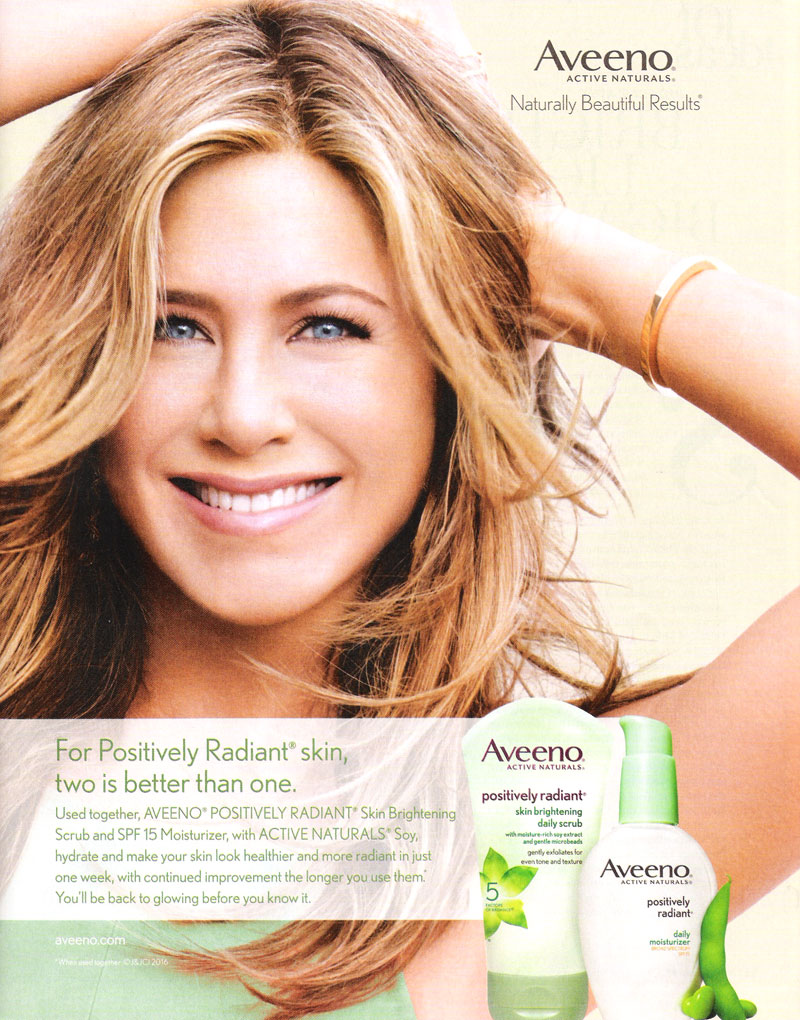
SOURCE: Celebrity Fashionation
The economic principle I’m exploring is people generally respond to incentives in predictable ways.
My research question to help me study the economic principle is, Why is it a big deal for people when a celebrity uses a beauty product?
The article published in Marketing-school titled “Marketing with Celebrities” demonstrates this economic principle by showing is it a big deal for consumers when a celebrity uses a beauty product in an ad, what is determined with that?
First, the reason people jump to buy a product when they see a celebrity in it, has to do with the concept classical conditioning. This is a “psychological concept based on experiments conducted by Ivan Pavlov in the early 1900s. Pavlov was examining the salivation rates of dogs in his laboratory, and noticed that when the dogs saw food, they began to salivate more.” It is interesting because although, dogs aren’t involved in celebrities and beauty products, but in the experiment they taught the dogs that when they heard the dinner bell, they knew food was coming and so they would salivate more. According to “Classical Conditioning and Celebrity Endorsers: An Examination of Belongingness and Resistance to Extinction,” by researchers Brian Till and others, there are three concepts that prove why people tend to be influenced by celebrities: unconditioned stimulus which is a stimulus that produces a response right away, conditioned stimulus which might not produce a response naturally, and conditioned response which it the mix of both that creates a response. “So, when a celebrity (unconditioned stimulus) endorses a brand (conditioned stimulus), it creates a (hopefully) positive response about that brand (conditioned response).”
To put an example for this, the article used Jennifer Aniston and how when she “endorses a perfume, people consider the qualities of Jennifer Aniston with the perfume. Aniston is considered one of the sexiest women on the planet, powerful, and likeable. If Aniston is endorsing a perfume, women (who view Aniston as a likeable, strong, attractive personality) in turn attribute those qualities to the perfume.”
Another example would be with Proactive and Katy Perry because people see how good Perry’s skin is and Proactive has a big name so the two together persuades the consumer to believe that it works.
In my next blog post I will research the question: How can a company get a big name in the industry?

No comments:
Post a Comment